
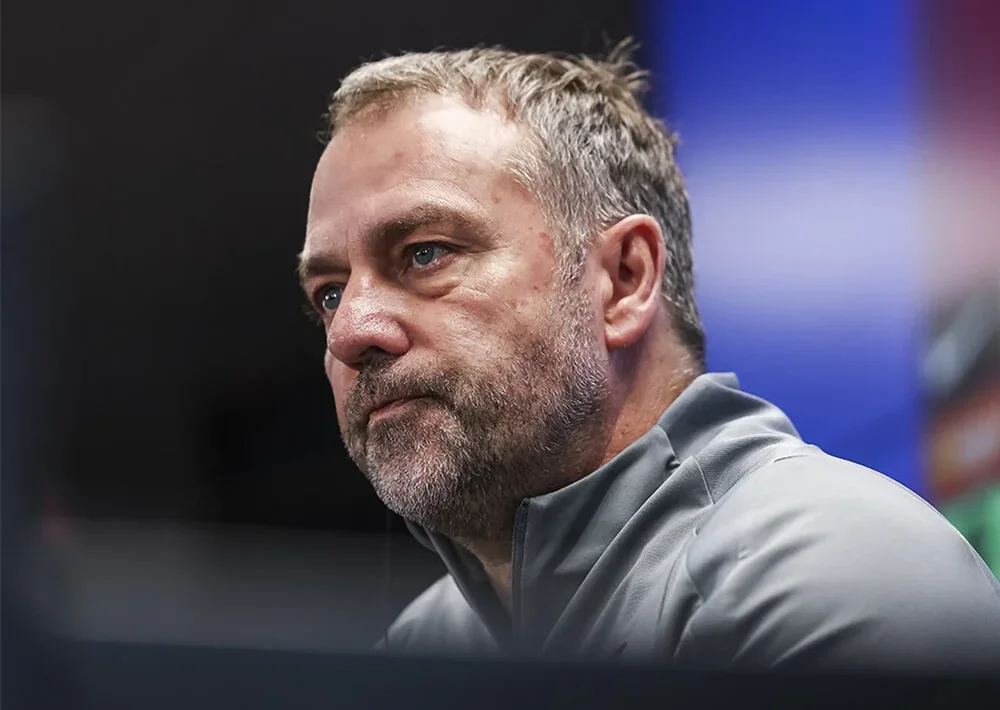
Sad news arrived ahead of El Clasico: Hansi-Dieter Flick’s father passed away on Saturday evening. The coach informed Barcelona’s management and players about the loss on Sunday morning. He decided not to skip the match against Real Madrid, which could be a decisive step toward the La Liga title.
Both Barcelona and Real Madrid expressed their condolences — a bittersweet moment of unity. A minute of silence is expected before kickoff, and players will wear black armbands.
Flick’s father was an amateur footballer: he gave his son boots like Pelé’s and punished him harshly for losses. His father played a key role in shaping Hansi’s character.
“My mother gave birth to me when she was 16,” Hansi once recalled. “My father was also very young and took on responsibility for a large family early on — my younger brother was born soon after. Dad worked hard to give us a decent life and did everything possible to help me achieve what he couldn’t: becoming a real footballer.”
His father worked as a builder, but always dreamed of a football career. His mother (Hansi’s grandmother) didn’t approve of the passion, so he had to play in secret. Flick Sr. played for the local team of Mückenloch, a village of 1,200 people. Young Hansi cleaned his boots and carefully watched every game. On the pitch, his father seemed different — free and carefree. How football transformed people captivated the future coach.
In everyday life, Flick Sr. could be both strict and loving. Once, as a reward, he gave his son black-and-yellow Puma boots like Pelé’s. But after a narrow defeat, he left his 11-year-old son in a snowy forest, forcing the boy to walk several kilometers home alone.
“I am very grateful to my father for everything he did for me,” Flick admitted. “I know what he wanted to achieve. But back then, it wasn’t always easy.”
As a child, Hansi was anxious: he never knew how harsh the next punishment would be. He recalled that his father never praised him for successes, but always told him when something went wrong. Flick believes this was a generational issue — support existed, but not in the form of praise or emotion. Years later, as a coach, he gave players what he missed as a child: calmness, trust, and the right to make mistakes.
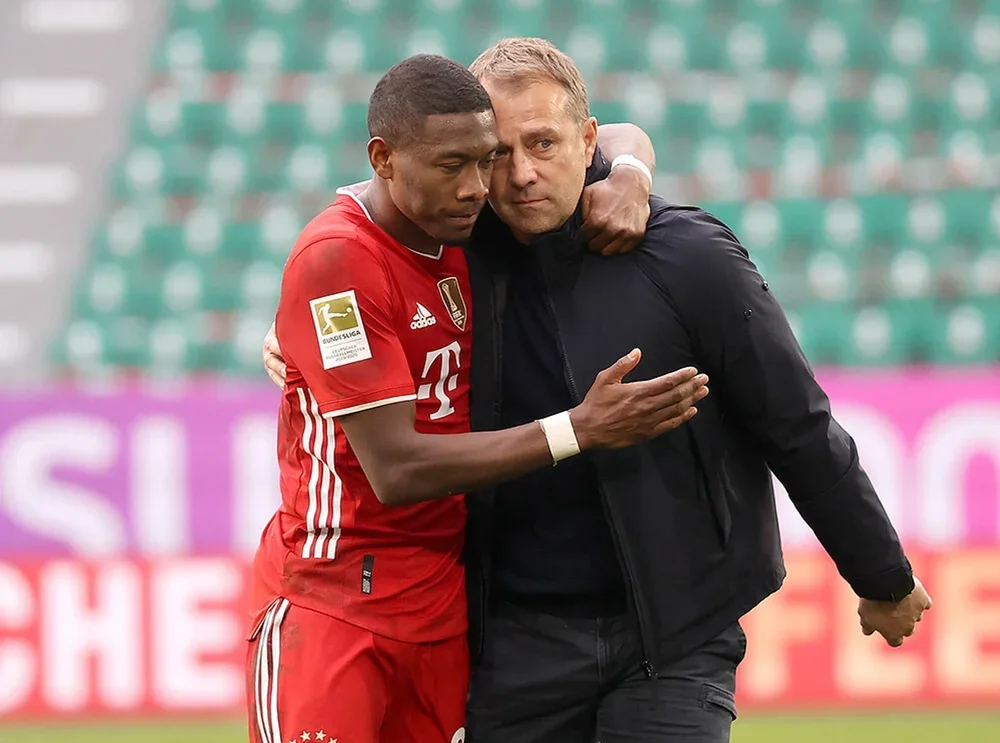
“After the Champions League final, several players and I were celebrating on Ibiza,” David Alaba recalled about his time at Bayern. “The coach was nearby, and when he heard we were there, he invited us to a restaurant. After his call, we were excited and thought, ‘Oh, great, we’ll hang out with Hansi.’ With someone else, we’d be stressed: ‘Damn, we have to meet the coach. What will he think of us?’ With Hansi, you never feel like you’re with a boss. I saw him as something between a friend and a father.”
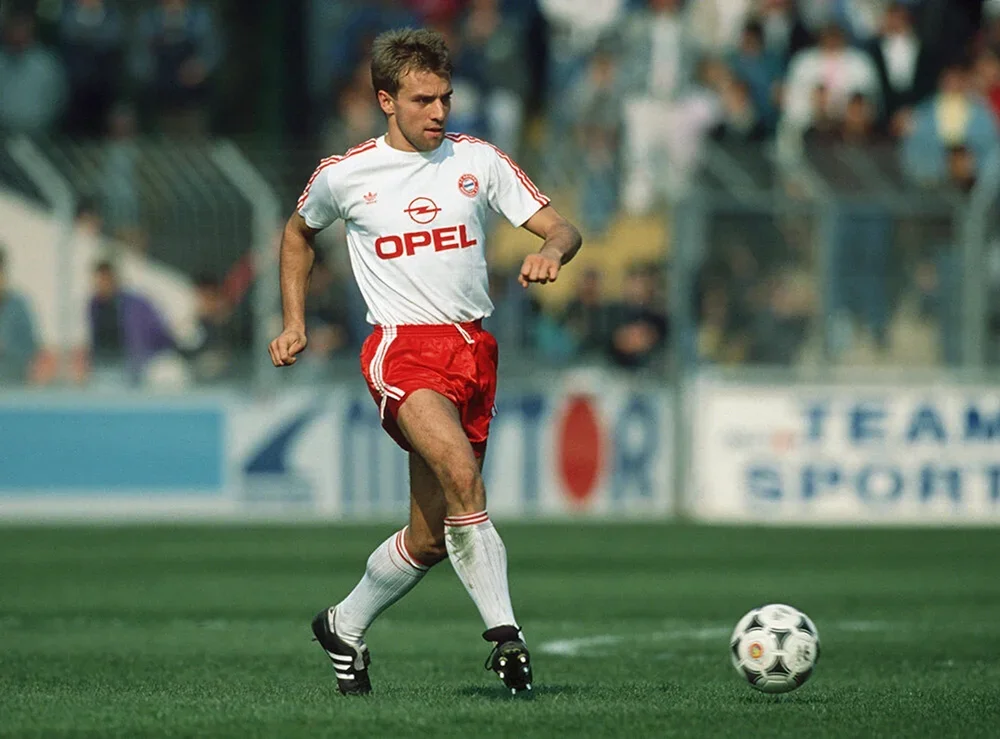
Flick Sr. saved his son’s playing career: he prevented surgeons from inserting titanium screws into his hip. In elementary school, Hansi-Dieter told his teacher he would become a professional footballer and play for Bayern — his father’s favorite club. He achieved that goal, but the dream almost collapsed when he was five years old, riding his bike through the village and was hit by a car.
The boy suffered a broken hip, but recovery dragged on. Doctors wanted to implant titanium screws, but his father not only convinced them to avoid that but also encouraged his son to train with a bandaged leg. Flick is convinced that without that decision, he would have had neither a playing career nor his coaching career.
And even the way we’re used to calling Flick is linked to his father. He called his son Hansi. And today, the coach prefers that name over the official Hansi-Dieter.
Life and Times of Hansi Flick: His mother gave birth at 16, he’s more of a father than a coach to players.
Hansi-Dieter Flick
Barcelona
Real Madrid
La Liga
Incidents
Bayern