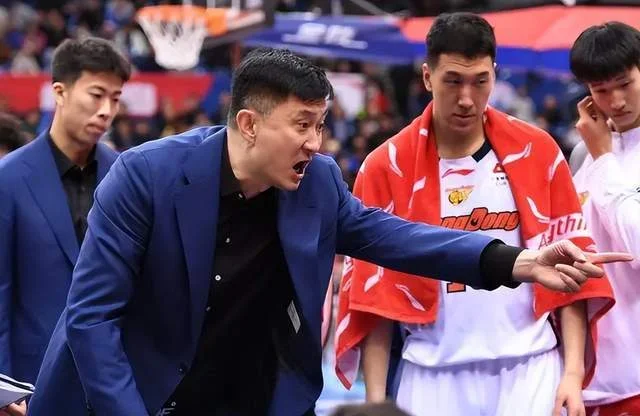
Following the Beijing Shougang men’s basketball team’s 88-73 comeback victory over Guangdong Hongyuan in the CBA playoffs quarterfinals, eliminating their opponents with a 2-1 series score and advancing to the semifinals, a deep contrast in coaching philosophies emerged through the post-game comments of both head coaches.
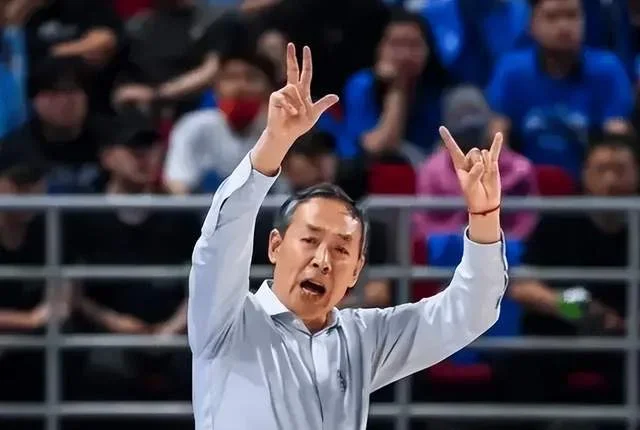
Xu Limin’s remarks consistently focused on “system” and “growth.” Rather than attributing the win to a tactical outburst, he highlighted Zhou Qi—the core player returning from injury who delivered an all-around performance of 18 points, 8 rebounds, and 4 blocks. “His changes this year are the result of hard work,” Xu said firmly, linking individual improvement to the team’s victory. He further revealed the deep logic behind his in-game decisions: when Zhou Qi requested to stay on the court, Xu respected his wish but emphasized, “Players focus on the present, while I look at the bigger picture.” This restraint and foresight were evident in his reflection on energy management—previous lineup mistakes were reviewed by the entire team, and this game’s “everyone contributed” approach was based on systematic rotation planning. Xu avoided passion and emotion, instead speaking only about “maintaining health” and “playing a role in the championship pursuit,” reflecting the calm patience of a championship-caliber team.
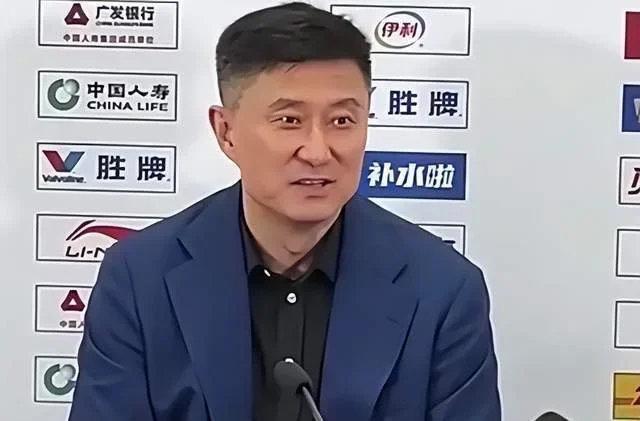
In contrast, Du Feng’s response was a rational eulogy of championship pedigree. Facing elimination, he did not deflect blame or complain about injuries or roster issues. Instead, he cut to the core: “That’s how the game goes. In the playoffs, it’s about who makes fewer mistakes.” Nine turnovers in the first half and a monotonous offense in the final quarter—these cold statistics became his clear assessment of a young team. Du Feng acknowledged, “This season hasn’t been easy,” but refused to dwell in regret: “We’ve won 11 championships. Many teams haven’t won any. Should we always be in regret?” This remark is not arrogance but a deep understanding of competition’s essence after reaching the pinnacle—the scarcity of championships makes every failure a chance for growth. He didn’t shy away from problems or get swayed by emotions, defining failure as the starting point for “finding issues, summarizing, and improving.” He thanked the fans and hoped young players would “accumulate experience from setbacks.” This attitude is the true resilience that has kept him standing after eight playoff disappointments.
Xu Limin is building a sustainable system, believing that individual change can drive team evolution. Du Feng is guarding a spiritual tradition, using historical weight to give meaning to present setbacks. One looks to the future, the other roots himself in the past; one manages emotions with reason, the other digests failure with glory. Both offer answers beyond winning and losing—about basketball, competition, and how to face honor and lows.
But comparisons reveal stark differences: some live in the present, while others dwell in past glories. The gap between the two is clear. What do you think?